
What to Expect in Ketamine-Assisted Psychotherapy
Ketamine-assisted psychotherapy combines the therapeutic benefits of psychotherapy with carefully administered ketamine in a supportive clinical setting. Originally developed as an anesthetic, ketamine has shown remarkable promise in treating treatment-resistant depression, anxiety, PTSD, and other mental health conditions. Unlike traditional antidepressants that can take weeks to work, ketamine often produces rapid effects while opening a window for deeper psychological work.
When taken at subanesthetic doses, ketamine briefly alters our experience of time and space. It often induces a dreamlike state, giving us access to memories, visuals, and associations that are typically unconscious. Some people report profound insights about their life, relationships, or sense of meaning. While each experience can vary significantly—between individuals and even between sessions for the same person—certain themes are common.
People often experience a rapid contracting and expanding of consciousness, moving from being inside their own body (a contracted state) to viewing themselves from an outside or third-person perspective with decreased attachment to their physical form (an expanded state). This can induce an experience of connectedness and offer a window into non-duality.
Ketamine commonly induces feelings of calmness, euphoria, and peacefulness during the acute experience, which can be particularly helpful for individuals struggling with treatment-resistant depression. This uplifted mood typically lasts a few days. Without integration, however, these positive emotional experiences are often short-lived. This brief window mirrors a period of neuroplasticity when new patterns, habits, and even otherwise difficult medication adjustments can be completed with relative ease.
The dreamlike state is one where individuals are not entirely in control of the narrative, and not all experiences are pleasant. Some people encounter difficult emotions—fear, anxiety—or unearth traumatic memories. Even these challenging experiences can deepen therapeutic work. With proper support, access to difficult emotions can enhance ongoing therapy.
Because the experience can be unpredictable, the therapeutic setting and preparation significantly influence how it unfolds. Integration in the hours and days following the ketamine session is crucial for harnessing neuroplasticity. Integration is the opportunity to map and explore the experience, translating the altered state of consciousness into lasting therapeutic gains.
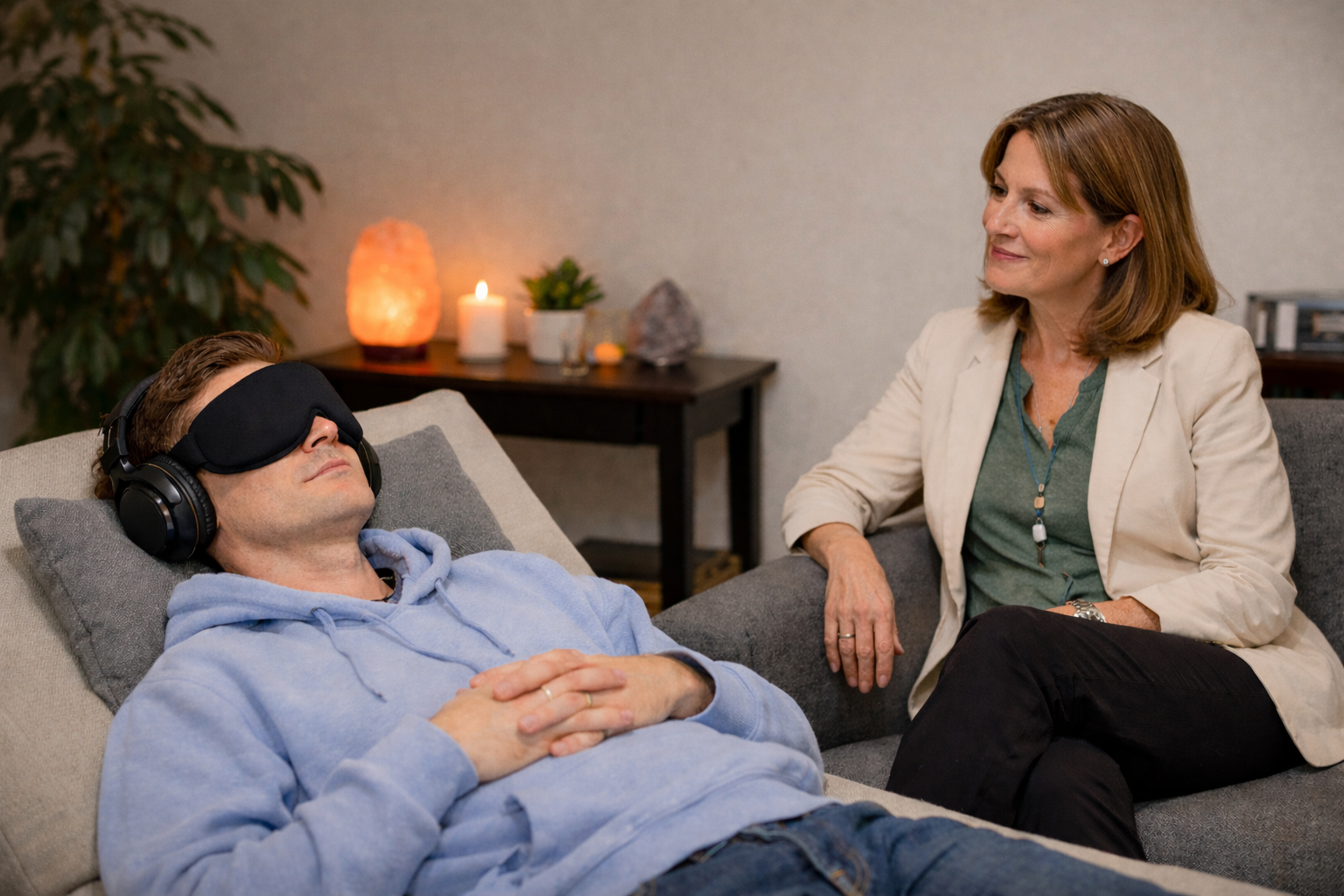
Ketamine-assisted psychotherapy may be beneficial for individuals who have not responded adequately to traditional treatments, those experiencing severe depression or anxiety, or people seeking to work through trauma or existential concerns. Treatment involves careful medical screening, preparation sessions to establish goals and safety, the ketamine experience itself occurs in a comfortable therapeutic setting. With close support, individuals are encouraged to lie on a couch with eyeshades and music to go deeply into their own experience without interruption and is followed immediately after with integration work to process insights and solidify changes.
This is a collaborative treatment that works best when combined with ongoing psychotherapy. If you're curious whether ketamine-assisted psychotherapy might be appropriate for your situation, we encourage you to reach out for a consultation to discuss your specific needs, medical history, and treatment goals.